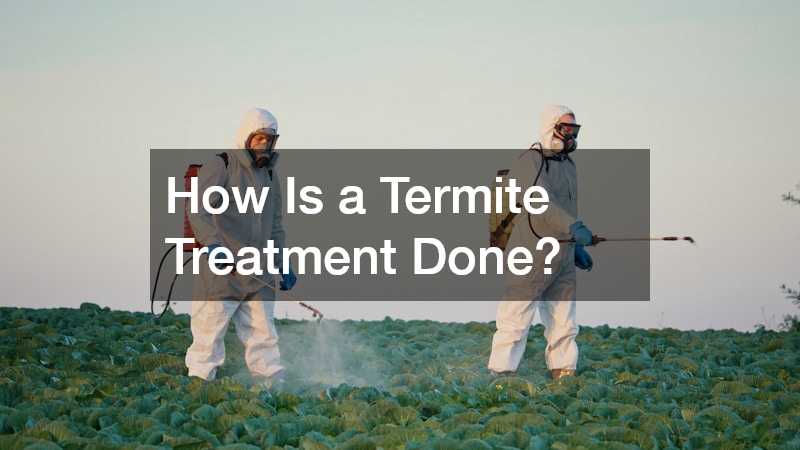
Understanding how termite treatment is conducted is essential for homeowners facing termite infestations. This article explores the common queries and steps involved in effectively eradicating termites from your property. We will delve into the signs of infestation, types of treatments available, how to evaluate their effectiveness, frequency of treatments, and a cost breakdown.
By the end of this article, you will be equipped with the knowledge to make informed decisions regarding termite treatment for your home. Termites are a common concern, and addressing them promptly is crucial to prevent structural damage.
1. What Are the Early Signs of Termite Infestation?
Recognizing the early signs of termite infestation can save homeowners significant damage and repair costs. One of the first indicators is the presence of mud tubes around the foundation of your house. These are small, pencil-width tubes made of soil where termites travel. You may also notice discarded wings near window sills or doorways, which are evidence of swarming termites. Wood that sounds hollow when tapped is another sign, as termites consume wood from the inside out, leaving only a thin veneer or layer.
Other subtle signs include small droppings called frass, which resemble sawdust and are found near infested wood. Peeling paint or wallpapers may also indicate termite presence as they cause moisture build-up on walls. Observing these signs early can prevent extensive infestation and costly repairs. Regularly inspecting the exterior and interior of your home, especially in areas with high moisture and wood contact, is advisable. Early detection and professional intervention are key to managing infestations effectively.
Moreover, warped or buckling wood, combined with mild to severe structural weaknesses, suggests a well-established termite colony. Termites can also cause damage to wooden furniture, flooring, and even paper-based wallpaper. The damage can be extensive, affecting the structural integrity of your home. Engineers estimate that millions of homes experience termite-related issues annually. Homeowners must stay vigilant, as timely detection and treatment can drastically reduce the risk of severe damage.
2. What Are the Different Types of Termite Treatments Available?
Several termite treatment options are available, each suited to different situations and preferences. The first and most traditional method is liquid barrier treatment, which involves applying a termiticide around the base of the structure to prevent termites from entering. This method creates a chemical barrier that repels or kills termites. Baiting systems, which are strategically placed around the property, are another effective treatment. These baits contain slow-acting toxins that termites consume and share with their colony, eventually eradicating it.
Fumigation is a comprehensive option primarily used for severe infestations, where the property is tented and filled with gas to eliminate termites. Heat treatments are a chemical-free alternative, involving raising the temperature around an infestation to lethal levels. For those concerned with environmental impact, natural treatments using essential oils such as orange or neem oil are gaining traction due to their eco-friendliness. The choice of treatment may depend on the severity of the infestation, cost considerations, and safety preferences.
In recent years, technological advancements have introduced electronic and electromagnetic treatments, which are touted for their effectiveness without chemicals. Each treatment has its pros and cons, with soil treatments being most effective in new constructions. Baiting stations have the advantage of eliminating entire colonies, but they require time to have an impact. Fumigation is swift and comprehensive but involves vacating the property temporarily. Consulting with a pest control specialist can help determine the most suitable treatment for your specific situation.
3. How is the Effectiveness of Termite Treatments Evaluated?
Evaluating the effectiveness of termite treatments involves several steps and observations. Firstly, a significant reduction in termite activity is a primary indicator that the treatment is working. This can be observed through a decrease in visible termite swarms, mud tubes, and damage. Most treatments require a few weeks to show noticeable results, during which the extent of the damage must be monitored closely. Professional inspections can provide a detailed assessment of how well the treatment is progressing.
Using monitoring stations after treatment helps gauge its success by allowing professionals to track termite activity around the property. These stations are frequently inspected to ensure the colony is eradicated. Another method of evaluation involves follow-up checks by pest control companies, who provide warranties and guarantees based on their initial service. Persistent signs of termites may require additional treatments or alternative solutions, emphasizing the importance of a tailored approach to each case.
Furthermore, re-treatment may be necessary if termites return after a supposedly effective treatment. Liability guarantees from pest control services offer peace of mind for homeowners, knowing they have backup options if issues arise. The involvement of homeowners in the process to maintain termite resistance in the long term by ensuring no food sources or conducive conditions are available for termites is crucial. Assessing treatment outcomes over time aids in deciding whether to continue or adjust the approach to termite management.
4. How Often Should Termite Treatments Be Conducted?
The frequency of termite treatments depends on the type of treatment, the extent of the infestation, and environmental factors. Pre-construction treatments are applied once and are designed to last for several years, often with suggested annual inspections. For treatments such as liquid barriers, professionals typically recommend reevaluation every three to five years to ensure effectiveness. Bait stations require more frequent checks, usually quarterly, to replenish baits and assess activity levels.
Fumigation, while intensive, often lasts several years, though conditions such as new infestations or construction changes may demand repeated treatments. Heat and natural treatments may require annual or biannual applications to maintain environment safety and pest deterrence. Geographical location also plays a significant role in maintaining schedules, as warm, humid climates may demand more frequent evaluations and services than cooler, drier areas.
Ultimately, regular inspections every year are essential to prevent unnoticed termite activity. Some homeowners pair annual inspections with a homeowner’s warranty, offering further protection and peace of mind. Adhering to professional advice from a trusted pest control specialist ensures the property remains termite-free. A proactive approach in termite management keeps infestations manageable and avoids the costly repairs associated with severe damage.
5. What is the Cost of Termite Treatment?
Termite treatment costs vary widely based on factors like the choice of method, the severity of the infestation, and regional pricing. Liquid barrier treatments range from $3 to $10 per linear foot, depending on chemical choice and application area. Baiting systems typically cost a similar initial amount but often include periodic service fees for monitoring and bait replacement. Fumigation, being the most extensive form of treatment, generally ranges from $1,200 to $2,500 for an average-sized home.
Heat treatments are slightly more affordable, averaging between $1,000 and $2,000, favored for their non-chemical process. Natural treatments tend to be cost-effective, although they may require more frequent applications and thus could add up over time. In certain cases, pest management services offer package deals combining inspection, treatment, and follow-up over multiple years, optimizing cost efficiency for homeowners.
Considering the potential damage and repair costs that unchecked termite infestations can lead to, investing in consistent and robust treatment proves economically sound. Insurance may cover termite damage in some instances, offering partial relief on cost. A balance of quality service and affordability is critical—cheap solutions may only offer temporary results, risking higher future expenses. Engaging reputable, experienced pest management professionals often yields the best outcomes.
This guide offers a comprehensive overview of the important aspects of termite treatment, ensuring you are well-informed about the processes involved, the costs, and the effectiveness of various methods. Addressing termite issues promptly and efficiently can significantly protect your home and assets over the long term. Whether choosing traditional methods or modern, eco-friendly solutions, informed decisions can have lasting positive impacts. It’s essential to weigh the options carefully and consult with experts to tailor the right approach for your property. With the right knowledge at hand, any homeowner can successfully navigate the complexities of termite management and preservation.