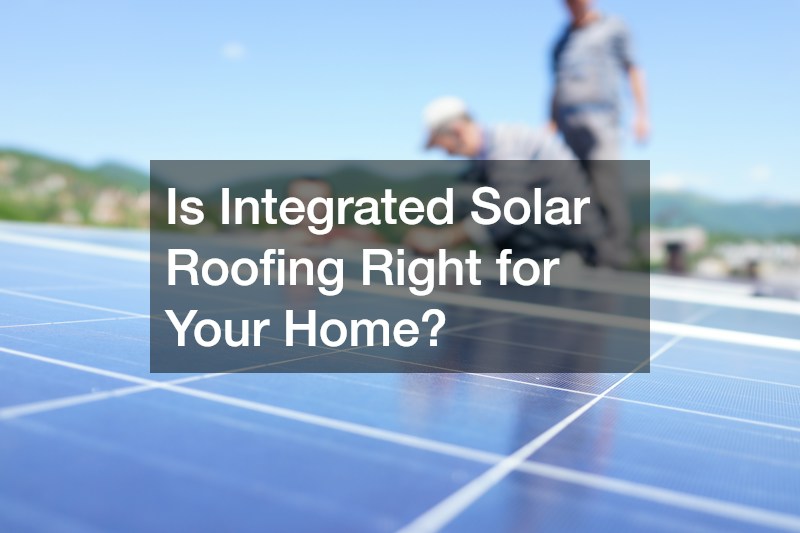
Homeowners constantly look for ways to improve their properties and reduce reliance on traditional power grids. If you’re exploring renewable energy options, you might feel overwhelmed by the choices. Traditional rack-mounted panels have dominated the market, but newer technologies offer alternatives that blend directly into your home design. This brings us to an important question: should you choose an integrated system? Unlike bulky additions of the past, integrated solar roofing acts as both your weather barrier and your power source. It replaces standard materials like asphalt shingles or clay tiles with energy-producing units.
This approach offers a seamless look while generating clean energy when the sun shines. However, making the switch requires consideration of your property layout, aesthetic preferences, and long-term goals. We’ll explore the core aspects of these systems so you can make an informed decision for your residence, ensuring you understand what this upgrade entails before moving forward.
How Integrated Systems Work
Before committing to a home upgrade, you must understand the mechanics behind the technology. Traditional installations involve mounting panels on top of an existing roof using metal racks. Integrated systems consolidate these functions. The energy-producing photovoltaic cells are built directly into the materials.
When you install solar roofing, you’re building a new roof that generates electricity. These specialized shingles connect to form a cohesive protective layer against rain, wind, and debris. Beneath the surface, wiring connects the individual tiles, routing the generated electricity to an inverter. The inverter converts the direct current into alternating current, which your home uses to power appliances and lighting.
Because these systems serve a dual purpose, the materials undergo testing. They must withstand harsh weather conditions just as well as standard materials. Manufacturers use durable glass and impact-resistant casings to protect the photovoltaic cells inside. This ensures your investment powers your daily life and keeps your living space safe from the elements. You handle your shelter and energy needs with a single installation project.
Preserving Your Home Design
A primary reason homeowners hesitate to adopt renewable energy is the visual impact. Rectangular panels protruding from a roof can disrupt the architectural harmony of a house. Integrated options solve this problem.
Because the energy-producing elements mimic the shape and profile of standard shingles, they lie flat against your roof deck. From the street, most people can’t distinguish between a standard roof and an integrated one. The sleek profile maintains your curb appeal while generating power.
Maintaining curb appeal matters for your daily enjoyment and for your property value. If you decide to sell your home later, prospective buyers often appreciate the clean look of an integrated system over the industrial appearance of mounted panels. They see an upgraded home rather than a house with equipment bolted to the top. By selecting solar roofing, you prioritize form and function. Many architects now recommend solar roofing for custom builds because it offers design flexibility. You achieve energy independence without sacrificing the visual character of your home. The integration ensures the technology complements your exterior design rather than dominating it.
Assessing the Installation Process
Transitioning to renewable energy involves a detailed installation process. If you opt for an integrated system, you should prepare for a construction project. Because these tiles replace traditional materials, the installation involves tearing off your old roof completely. The crew strips away the old shingles down to the wooden deck to ensure a structurally sound foundation.
Once the deck is prepped and weather-proofed, the installation of your solar roofing begins. Installers lay out the active energy-generating tiles and the inactive, matching border tiles. Technicians must ensure complete weatherproofing while connecting the electrical wiring beneath each tile. This installation takes longer than bolting traditional panels onto an existing roof.
You must hire specialized contractors for this job. Not every company has the training to handle live electrical components, and not every electrician knows how to weatherproof a roof. You need a team experienced in both disciplines. Before signing contracts, ask potential installers about their experience with integrated systems. Request references and verify their credentials. While the process is extensive, finding qualified professionals guarantees your new roof will function and protect your home for decades.
Evaluating the Long-Term Benefits
Beyond the aesthetic appeal, you must consider the long-term implications of this upgrade. Producing your own electricity reduces your utility bills and provides a buffer against rising energy costs. Over time, these savings offset the initial investment.
When comparing options, remember that solar roofing provides a financial advantage during a new build or a necessary replacement. Instead of buying traditional shingles and then purchasing separate panels, you combine those budgets. This consolidation makes the integrated option appealing.
Additionally, these systems require minimal maintenance. Rain typically washes away dust and debris, keeping the tiles clean and efficient. If a tile becomes damaged, technicians can replace individual units without disturbing the entire array. The durability of the materials ensures they withstand harsh weather, providing peace of mind during storms. As energy storage technology improves, you can pair your roof with a home battery system. This allows you to store excess power generated during the day for use at night or during grid outages, maximizing your energy independence.
Deciding how to power your home is a significant choice. Integrated systems offer an elegant and efficient way to embrace renewable energy. While the initial installation requires a comprehensive construction process and specialized labor, the long-term benefits are substantial.
You gain a clean exterior, lower energy bills, and a durable barrier against the elements. If you’re planning a new build or facing a roof replacement, this technology deserves your attention. Investing in solar roofing transforms your property into a modern, self-sufficient energy hub. By taking the time to research your options, assess your property, and hire qualified professionals, you can enjoy clean energy without compromising your home design. The future of residential power is integrated, allowing you to live comfortably and sustainably.