Experiencing comfort in our homes largely relies on the efficient functioning of our HVAC systems. These systems are not only pivotal in regulating temperatures and ensuring fresh air circulation but are also crucial in maintaining energy efficiency. As homeowners, it’s essential to recognize when your HVAC system is faltering. A timely replacement can offer profound benefits, not just for comfort but also for energy savings. Hiring a professional HVAC company can ensure the process is smooth, effective, and aligned with your home’s specific needs.
1. What Are the Signs That It’s Time to Replace My HVAC System?
1.1. Understanding the Age of Your System
One of the most telling signs that it’s time to replace your HVAC system is its age. Most systems are built to last between 10 to 15 years.
As they near or surpass this age, efficiency declines, prompting increased energy use and higher bills. Technology in HVAC systems has advanced significantly, so older systems may also lack more recent innovations in energy efficiency. If you’re unsure about your system’s age, reviewing installation paperwork or consulting a professional can provide clarity.
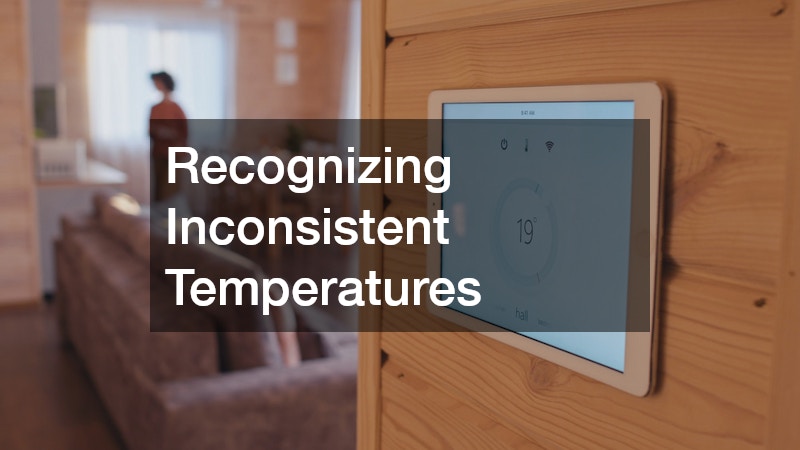
1.2. Recognizing Inconsistent Temperatures
Temperature inconsistencies in your home can indicate that your HVAC system is struggling. Uneven heating or cooling across rooms might suggest that your system is unable to distribute air effectively. This could be due to issues with the ductwork, an aging blower motor, or the system itself nearing the end of its lifespan. In contrast, a new, well-sized system can offer consistent comfort across all areas. Consulting an HVAC expert can help diagnose such problems and recommend solutions.
1.3. Evaluating Unusual Noises
Unusual sounds emanating from your HVAC system, such as grinding, squealing, or banging, are red flags. These noises often point to worn-out components, such as bearings or fan motors. Over time, these components can diminish the system’s efficiency or lead to more comprehensive breakdowns. While some issues can be repaired, others are indicative of age and impending failure, making replacement the more cost-effective option. A professional inspection can differentiate between issues that can be repaired versus those needing replacement.
1.4. Identifying Frequent Repairs
If you find yourself frequently calling a technician to fix your HVAC system, it might be time for a replacement. Continuous repairs not only suggest that the system is aging but also become financially burdensome. Newer systems are designed with more robust and reliable components, reducing the need for frequent service calls. Furthermore, many new HVAC units come with warranties that cover potential issues for several years. Investing in a new system can offer peace of mind and financial savings in the long run.
1.5. Noticing Increased Energy Bills
An unexpected rise in energy bills may be one of the most noticeable indicators that your HVAC system is inefficient. As systems age, they often have to work harder to provide the same level of comfort, thus consuming more energy. Simply upgrading to a more efficient model can drastically cut these costs, as modern units are designed with improved energy-saving features. Additionally, certain models may qualify for energy incentives which further reduce overall expenses. A detailed evaluation by an HVAC expert can identify potential energy savings from a system upgrade.
2. How Do I Choose the Right HVAC Replacement?
2.1. Assessing Your Home’s Needs
Choosing the right HVAC system begins with a thorough assessment of your home’s specific needs. Factors such as the size of your home, the number of occupants, and local climate conditions will guide your selection. An oversized system may cool your home quickly, but it won’t run long enough to effectively dehumidify, while an undersized system will struggle to maintain the desired temperature. Professional HVAC technicians can perform a load calculation to ascertain the right size unit for your needs. This ensures your new system provides optimal performance and efficiency year-round.
2.2. Considering Energy Efficiency Ratings
Energy efficiency is a critical consideration when selecting a new HVAC system. The Seasonal Energy Efficiency Ratio (SEER) rating is a measure of an air conditioner’s cooling efficiency; higher ratings equate to more efficient systems. Modern units often boast high SEER ratings and incorporate technology that reduces energy use, thereby decreasing utility bills. Checking for the ENERGY STAR label can also assure you that the unit meets environmental guidelines. An energy-efficient system not only saves money but also contributes positively to the environment, making it a smart investment.
2.3. Exploring Various System Brands
The market offers a variety of HVAC brands, each with its unique features, benefits, and reputations. Brands like Trane, Carrier, and Lennox are renowned for their durability, advanced technology, and user-friendly systems. While brand reputation is important, considering the specific features that each system offers, such as noise levels, warranty, and smart home compatibility, can also inform your decision. Consulting with HVAC professionals or reading consumer reviews can shed light on the strengths and weaknesses of various brands. Ultimately, choosing a brand that aligns with your needs and budget is key to a satisfactory replacement.
2.4. Balancing Cost and Quality
Striking the right balance between cost and quality is crucial when selecting an HVAC system. While it’s tempting to choose the cheapest option, inexpensive systems often lack the durability and efficiency of their higher-priced counterparts. However, this doesn’t mean you have to purchase the most expensive unit either. Consider mid-range models that offer a combination of reliability and efficiency at a reasonable price point. HVAC professionals can also advise on potential rebates or financing options that can make top-tier systems more accessible.
2.5. Understanding Warranty Options
A warranty provides assurance that your new HVAC system is protected against certain failures for a predetermined period. Before purchasing, thoroughly review warranty options and understand what is covered. Some manufacturers offer extended warranties for additional peace of mind. It’s also pertinent to check if the warranty requires professional installation to remain valid. Protecting your investment through a comprehensive warranty can make dealing with any unforeseen issues much less stressful.
3. How Can I Find a Reliable HVAC Company?
3.1. Asking for Recommendations
Word of mouth is a powerful tool for finding a reliable HVAC company. Friends, family, or neighbors who have recently replaced their systems can provide personal insights and recommendations. Additionally, local community groups or social media platforms might highlight trusted professionals in your area. Personal experiences often reveal important aspects of service, from the expertise of technicians to customer service quality. Gathering multiple recommendations can give you a solid starting point in your search for a reliable HVAC contractor.
3.2. Checking Online Reviews and Ratings
Online reviews and ratings can offer valuable, unbiased insights into a company’s performance and customer satisfaction. Websites like Yelp, Google, and the Better Business Bureau are excellent places to start. Look for companies that consistently receive high ratings and positive feedback about their service and professionalism. Pay attention to how businesses respond to negative reviews, as this reflects their commitment to customer service. A company transparent in addressing issues is often a reliable choice for your HVAC needs.
3.3. Verifying Credentials and Experience
When narrowing down your choices, verify the credentials and experience of the HVAC companies you are considering. Companies should be licensed, insured, and ideally members of professional associations like the Air Conditioning Contractors of America (ACCA). This ensures they adhere to industry standards and practices. Experience is another critical aspect; companies that have been in business longer typically have more skilled technicians. This verification process is essential in ensuring you select a reputable and qualified service provider.
3.4. Comparing Quotes and Services
Requesting quotes from multiple companies enables a comparison of pricing and services. Beware of unusually low quotes, as they might indicate hidden costs or subpar work. A detailed estimate should include the cost of the unit, installation, and any additional services or materials required. Ask about what services are included, such as a post-installation inspection or follow-up maintenance visits. Transparency in these aspects is crucial in avoiding surprises and ensuring you receive comprehensive service.
3.5. Understanding Customer Service Quality
Customer service quality is a significant indicator of a company’s reliability and professionalism. How a company interacts with clients, responds to inquiries, and resolves issues reflects on its overall service quality. During initial interactions, assess the attentiveness and clarity of the information provided by their representatives. A company that prioritizes clear communication and personalized service can greatly enhance your overall experience. Ensuring you choose a company committed to exceptional customer service is worth the investment.
4. What Should I Expect During the HVAC Replacement Process?
4.1. Initial Inspection and Assessment
The first step in the HVAC replacement process is an initial inspection and assessment of your current system. A qualified HVAC technician will evaluate your existing setup and recommend the appropriate replacement options. This includes determining the system size, energy requirements, and any additional needs specific to your home. They may also discuss potential improvements like enhanced insulation or updated ductwork. Comprehensive assessment forms the foundation of a successful replacement, ensuring your new system meets all home requirements.
4.2. Obtaining Permits and Approvals
Before installation begins, it’s essential to secure necessary permits and approvals. HVAC companies typically handle this process, ensuring compliance with local building codes and regulations. This step is crucial in avoiding future legal issues or complications. A professional company will guide you through the permit process and ensure all paperwork and fees are handled appropriately. Ensuring legal conformity protects your investment and guarantees installation safety and legality.
4.3. Removal of the Old System
Removing the old HVAC system is a critical phase requiring careful dismantling and disposal. Professionals have the expertise to handle units safely, ensuring no damage occurs to your home or environment. Equipment, such as refrigerants, is handled according to environmental regulations, preventing contamination. Hiring a professional ensures that the removal is conducted efficiently and responsibly. This process prepares the space for a seamless installation of the new system.
4.4. Installation of the New System
Installation of the new HVAC system is the stage where attention to detail is paramount. Experienced technicians will methodically install the unit and associated components, such as ductwork and thermostats. Proper installation affects the system’s longevity and efficiency, directly impacting cost savings and comfort. It’s essential to address any questions or request explanations about the new system during this phase. A thorough installation ensures your new HVAC system operates optimally from day one.
4.5. System Testing and Customer Orientation
Post-installation, the HVAC system undergoes rigorous testing to verify proper operation. Technicians will ensure all settings are correctly calibrated for efficient performance. Following the testing, a customer orientation session often occurs, outlining the operation and maintenance of your new system. This empowers homeowners to utilize all features effectively. Understanding your system well is key to maximizing its benefits and maintaining efficiency over time.
5. What Benefits Can I Expect After Replacing My HVAC System?
5.1. Enhanced Energy Efficiency
One of the primary benefits of replacing your HVAC system is increased energy efficiency. Newer systems are designed with advanced technology that maximizes performance while minimizing energy use. This results in significantly lower utility bills without compromising on comfort. Over time, the savings on energy expenses can offset the initial cost of the system. By choosing an energy-efficient model, you’re also reducing your carbon footprint, contributing positively to environmental conservation.
5.2. Improved Indoor Air Quality
A new HVAC system can lead to significantly improved indoor air quality. Modern systems are equipped with superior filtration technology that removes dust, allergens, and other airborne particles. This is particularly beneficial for family members who suffer from allergies or respiratory issues. The consistent air circulation also prevents mold growth and other pollutants from settling in your home. Overall, an upgraded system contributes to a healthier living environment by providing clean and filtered air.
5.3. Increased Home Comfort
Enhanced comfort is a direct benefit of a new HVAC system. Modern units maintain stable temperatures, offering consistent cooling or heating without fluctuations. Advanced features, such as smart thermostats, allow for greater customization based on personal preferences and schedules. This level of comfort was hard to achieve with older systems lacking these advancements. Ultimately, a new system provides a more reliable and enjoyable home environment for family and guests alike.
5.4. Lower Maintenance Costs
Replacing your HVAC system can lead to a decrease in maintenance costs. New systems typically require less frequent servicing due to improved design and reliability. Moreover, many come with warranties that cover repairs, providing financial relief in case of issues. Regular basic maintenance, like changing filters, ensures the system functions smoothly without significant expenses. Lower maintenance costs ultimately contribute to overall savings, enhancing the return on your investment.
5.5. Increased Home Value
Finally, a modern HVAC system can increase your home’s value. Potential buyers are often attracted to homes with upgraded systems, recognizing them as energy-efficient and reliable. This added value can provide leverage during selling negotiations, ensuring a profitable sale. An efficient system enhances your home’s appeal, aligning with current trends favoring sustainability. Thus, HVAC replacement is not just about immediate comfort—it’s also a savvy investment in your property’s future potential.
In conclusion, recognizing the signs that your HVAC system needs replacement and understanding the steps involved can lead to significant benefits. From enhancing your home’s comfort to ensuring energy efficiency and even boosting property value, a new system is a worthwhile investment. By selecting the right company and product, ensuring proper installation, and maintaining the system, you can enjoy these benefits for years to come. Updating your HVAC system is not just a maintenance decision; it’s a strategic investment that pays dividends in comfort, savings, and peace of mind. Hire a reputable HVAC company, and embark on this journey to improved home environment and efficiency.